The Reformer Explained
If you’ve ever hesitated before stepping onto a reformer…
There’s usually a moment.
You walk into the studio, glance over, and see it—
the carriage, the straps, the springs—and something in you pauses.
Am I supposed to know how to use this?
That hesitation is more common than you think.
Because visually, the reformer can feel unfamiliar. Structured. Slightly mechanical.
And in a world where most workouts are fast, loud, and immediately accessible, something that asks you to slow down and learn can feel… different.
But that difference is exactly what makes it so effective.
At Forte, we don’t expect you to understand the reformer before you arrive.
We expect you to be curious—and we guide you from there.
What the reformer actually does.
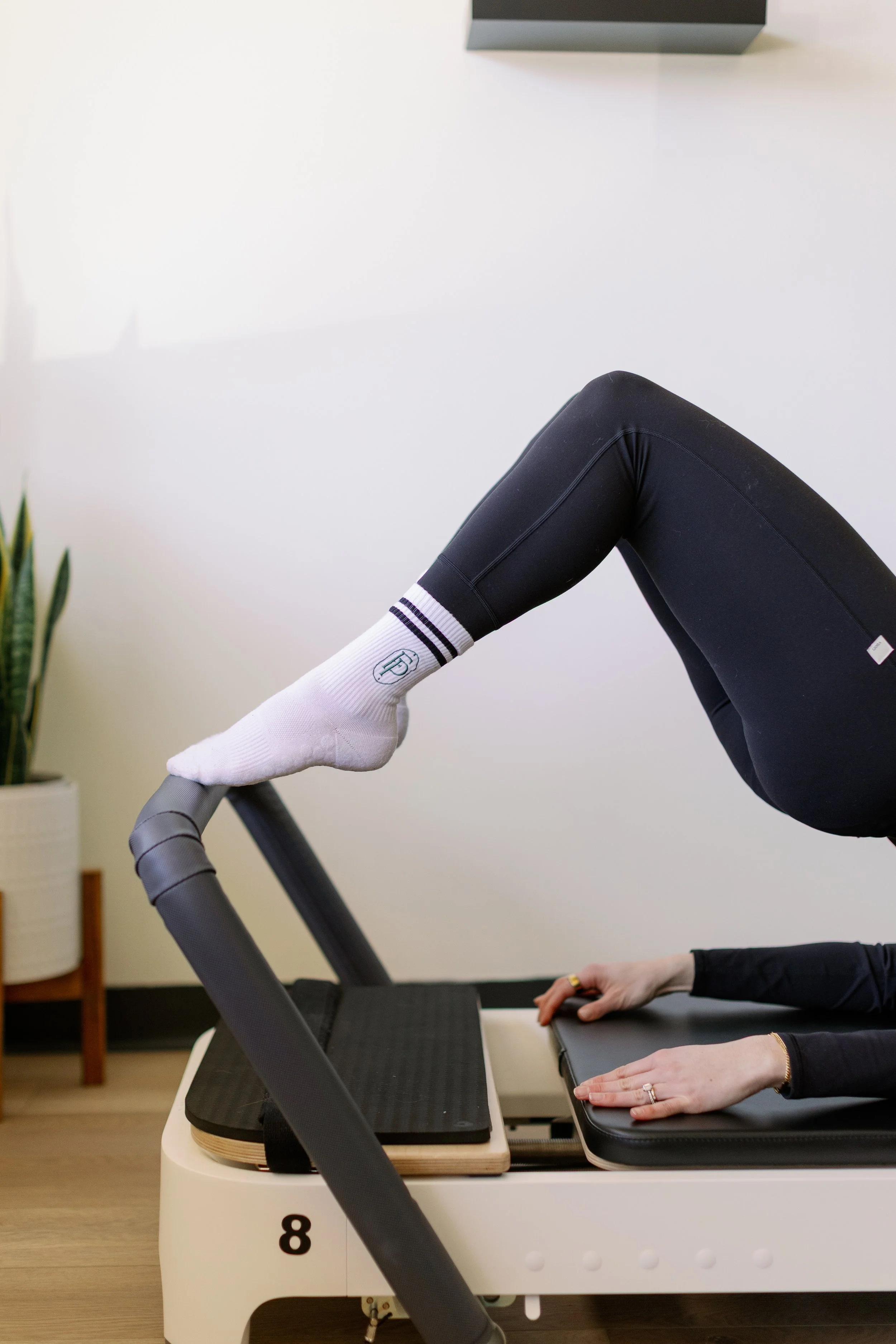
At its core, the reformer is a system of resistance and support.
It uses:
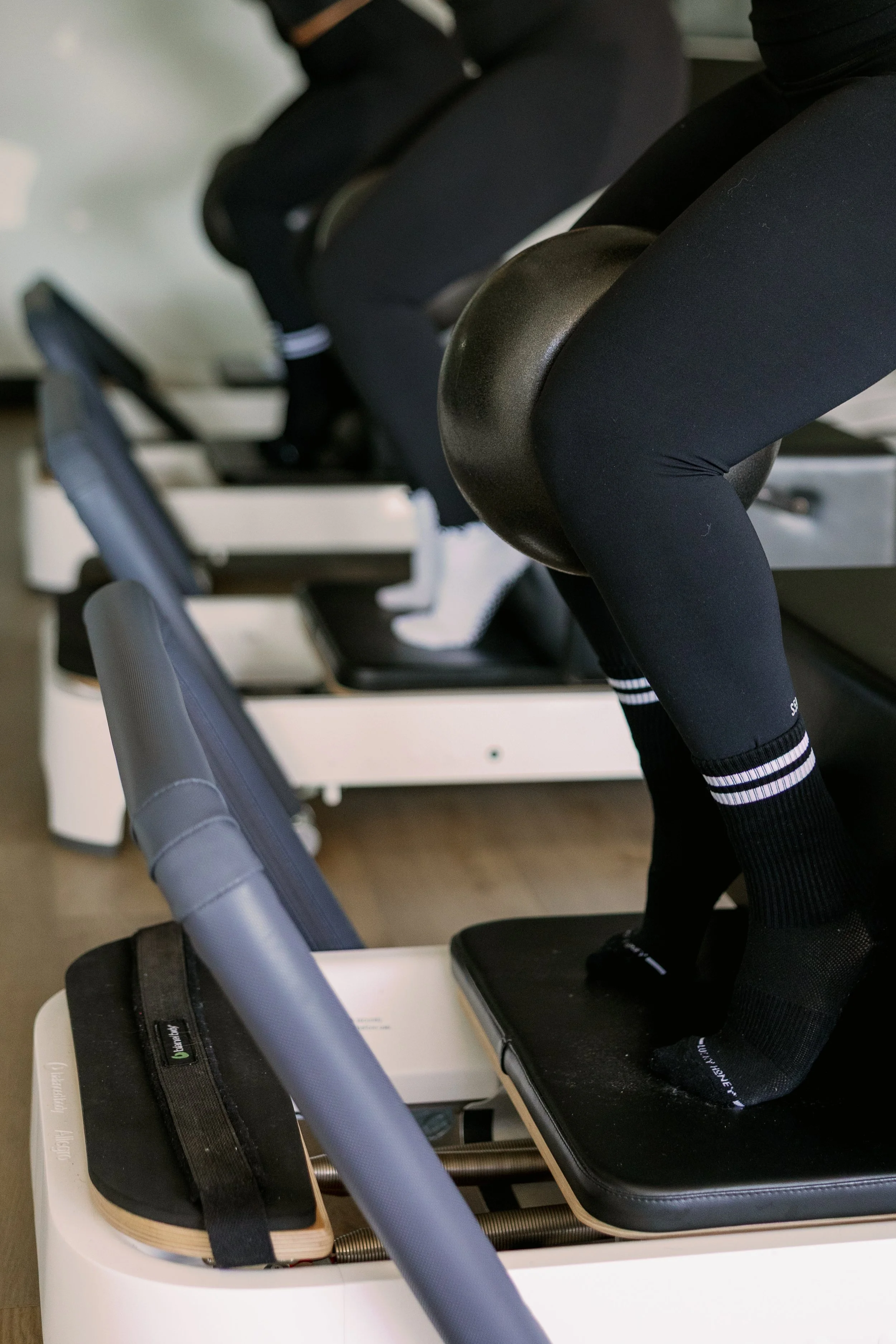
– Springs (to create adjustable resistance)
– A moving carriage (to guide controlled movement)
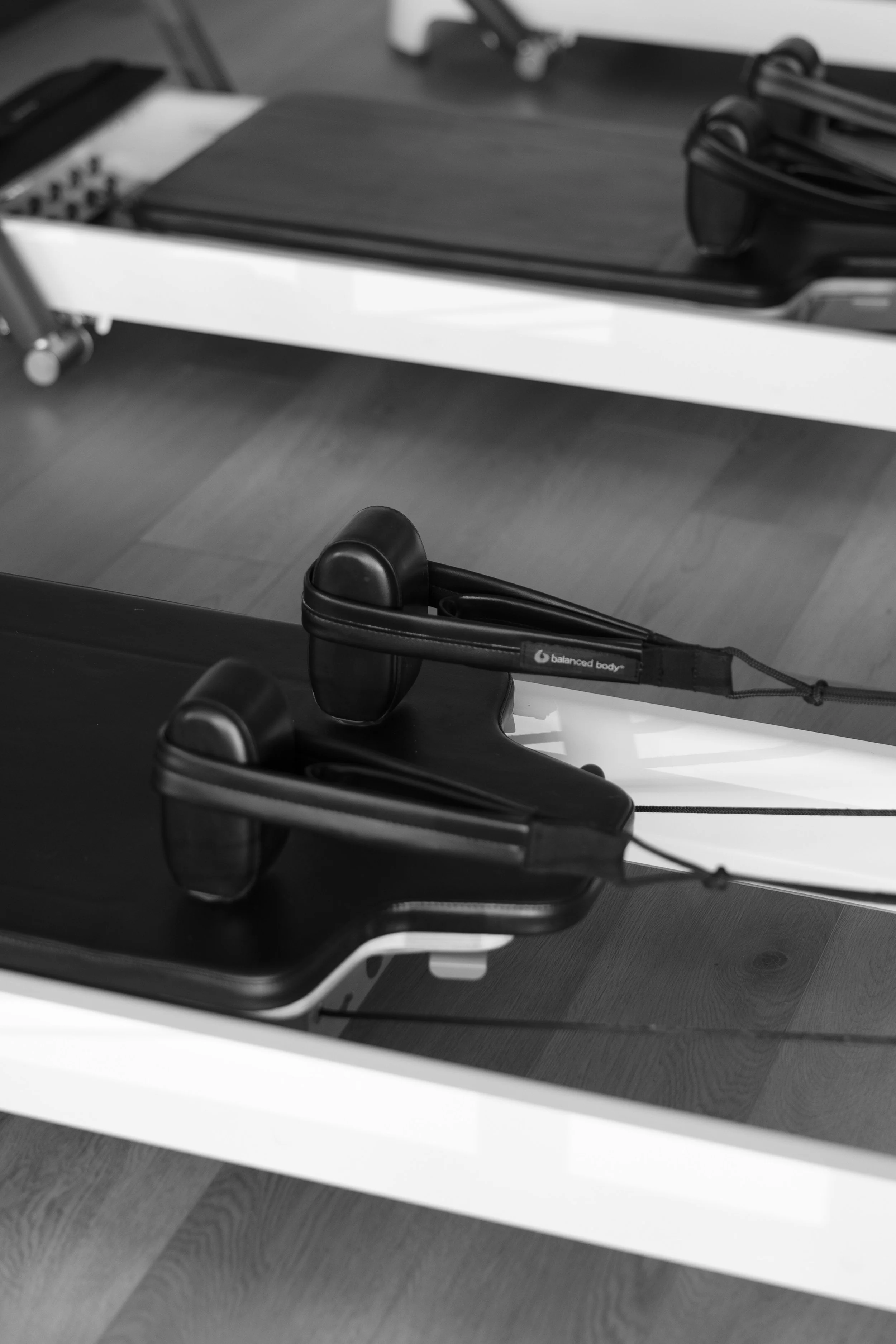
– Straps and bars (to support alignment and engagement)
But here’s what matters more than how it works:
It doesn’t force your body into movement.
It teaches your body how to move well.
Unlike traditional weight training or high-impact workouts, the reformer allows for:
– Low-impact resistance
– Joint support
– Controlled range of motion
Which means you can build strength without strain, compensation, or rushing.
What the reformer is actually designed to do.
At its core, the reformer is a system of resistance and support.
It uses:
– Springs (to create adjustable resistance)
– A moving carriage (to guide controlled movement)
– Straps and bars (to support alignment and engagement)
But here’s what matters more than how it works:
It doesn’t force your body into movement.
It teaches your body how to move well.
Unlike traditional weight training or high-impact workouts, the reformer allows for:
– Low-impact resistance
– Joint support
– Controlled range of motion
Which means you can build strength without strain, compensation, or rushing.
Why it feels so different from other workouts.
Most people come in expecting to “work hard” in the way they’re used to.
Sweat. Speed. Effort.
Instead, they experience something else.
They notice:
– The pace is slower
– The movements are smaller
– The effort is more internal
And sometimes, unexpectedly—
They feel muscles shaking…
during movements that don’t even look intense.
That’s because the reformer removes momentum.
You can’t rush through it.
You can’t rely on bigger muscles to compensate.
You’re asked to:
– Stabilize
– Control
– Stay present
And for many people, that’s the first time they’ve actually felt what their body is doing.
What’s happening in your body (and why it matters).
When you move on the reformer with control, you’re not just strengthening muscles.
You’re improving:
– Neuromuscular connection (how your brain and body communicate)
– Joint stability
– Postural awareness
You begin to recognize:
– Where you tend to overcompensate
– Where you lack support
– How to engage your body more efficiently
This is why Pilates often leads to changes like:
– Standing differently
– Sitting with less tension
– Moving with more ease
Not because you pushed harder—but because you learned how to move better.
What your first class might actually feel like.
Let’s make this real.
Your first class will likely feel:
– Slower than expected
– More detailed than you’re used to
– Slightly unfamiliar
You might:
– Pause more often
– Ask questions
– Feel muscles working in new ways
And that’s exactly where you’re meant to be.
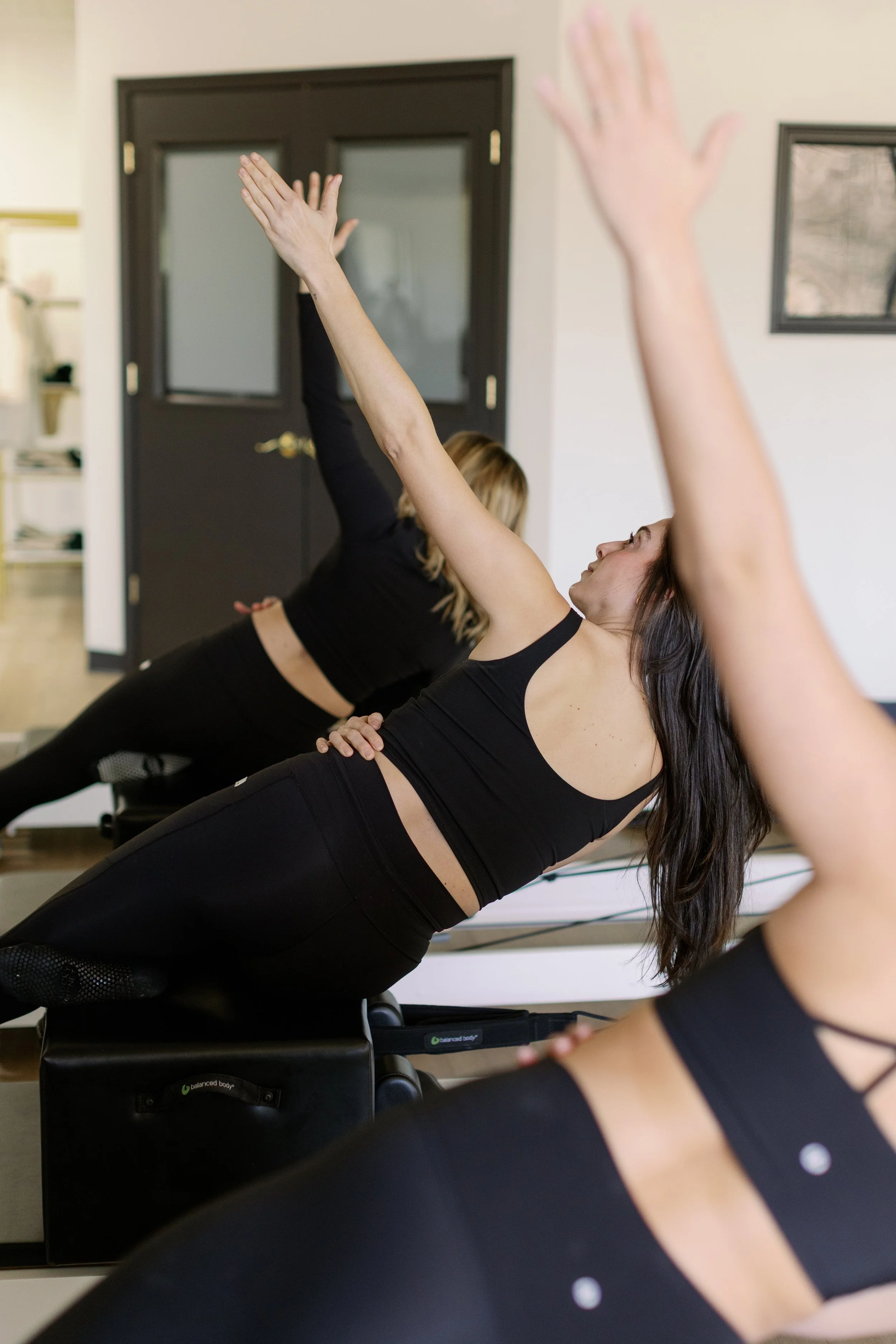
At Forte, we guide you through:
– How to set up your reformer
– How to move safely and effectively
– What each movement should feel like
You’re not expected to perform.
You’re invited to learn.
Why this approach creates lasting strength.
The reformer isn’t about intensity for the sake of it.
It’s about:
– Building a foundation
– Creating stability
– Developing awareness
So when strength builds, it’s not temporary.
It’s integrated.
You don’t just feel it in class.
You feel it when you:
– Walk
– Sit
– Carry yourself throughout your day
A different way to build strength.
Over time, something shifts.
You stop thinking about the reformer as a machine.
And start recognizing it as a tool that helped you:
– Understand your body
– Build trust in how you move
– Feel strong in a way that actually stays with you
And that’s the difference.